


What is Biophilic Living?
In a world increasingly shaped by urbanisation and digital technology, many people are rediscovering the importance of reconnecting with nature. Biophilic living emerges as a powerful response to this modern imbalance, inviting natural elements, patterns, and rhythms back into our homes, workplaces, and daily routines. More than an aesthetic preference, it is a philosophy that supports well-being, creativity, and a more sustainable relationship with the natural world.
Biophilic living is a lifestyle approach that seeks to bridge the gap between human existence and the natural world. It is inspired by biophilic design, which incorporates natural elements, patterns, and processes into built environments to promote physical and psychological health. Rooted in the concept of biophilia, a term coined by biologist Edward O. Wilson, it reflects the human tendency to seek meaningful connections with nature.
By embracing biophilic living, we transform our surroundings to foster a deeper sense of calm, creativity, and sustainability. This movement transcends mere aesthetics, emphasising how nature’s rhythms, textures, and energy flows influence our daily experiences.
The Principles of Biophilic Living
Biophilic living is guided by several core principles that shape spaces and lifestyles:
Incorporating Natural Elements
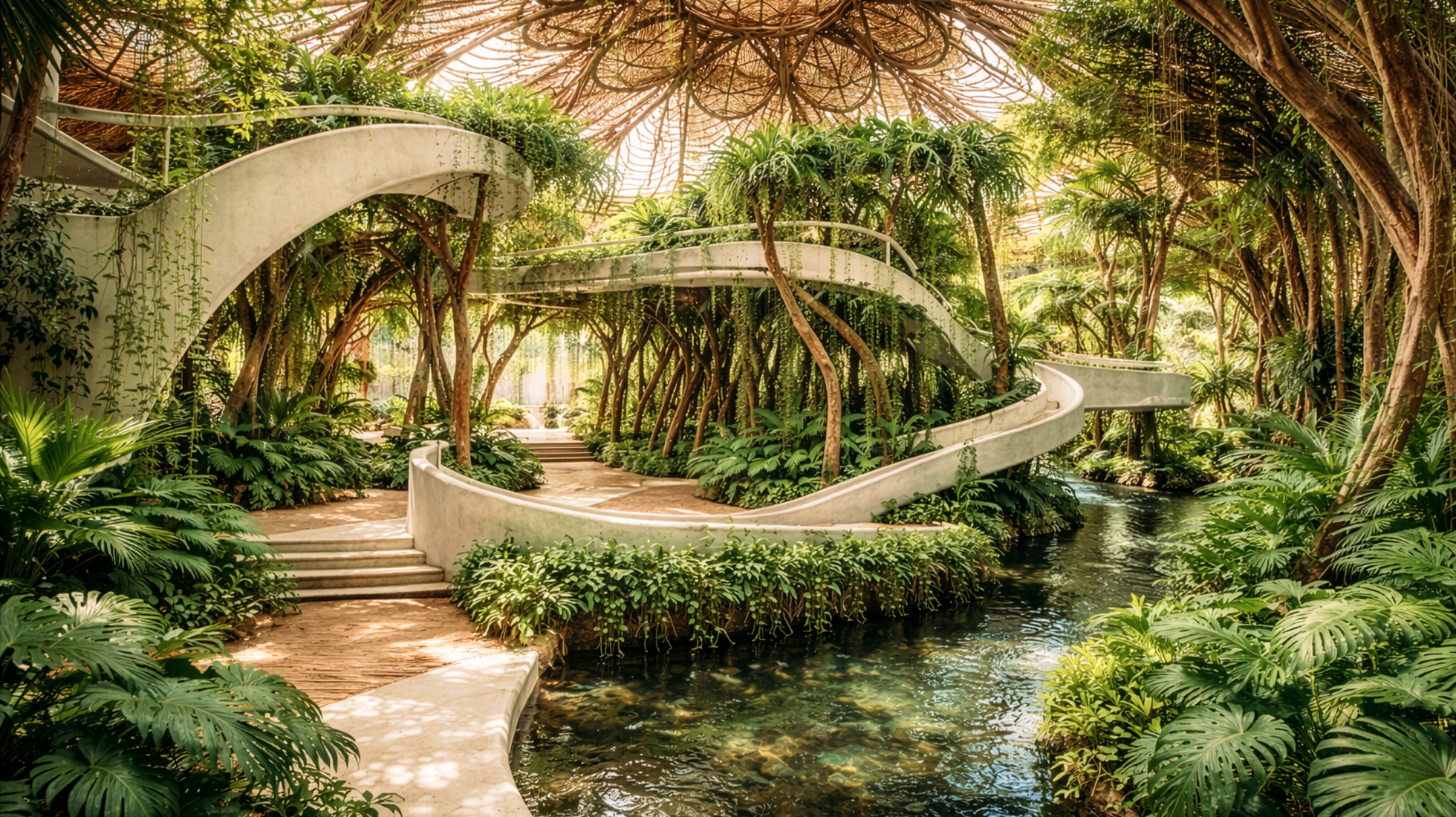
Integrating plants, water features, and natural materials such as wood, stone, and clay into living and working spaces brings a sense of tranquility and grounding. Indoor gardens, green walls, and open-air patios create immersive nature experiences, fostering relaxation and reducing stress.
Maximising Natural Light and Airflow
Exposure to natural light regulates circadian rhythms, improves mood, and enhances productivity. Large windows, skylights, and strategic ventilation systems facilitate airflow and create a seamless connection between indoor and outdoor environments.
Organic Geometry and Natural Patterns
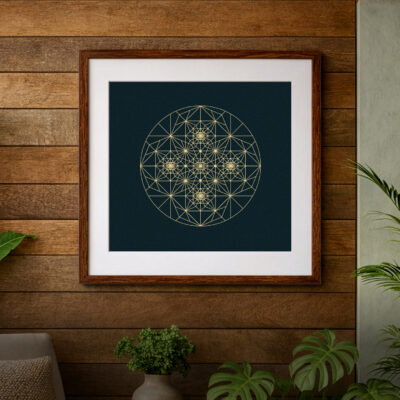
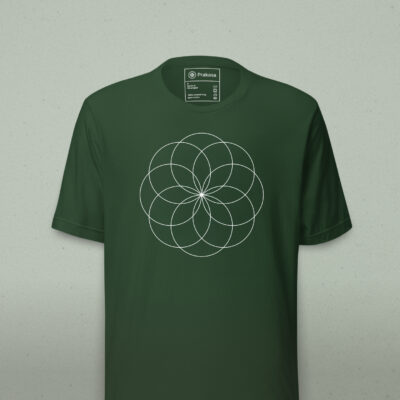
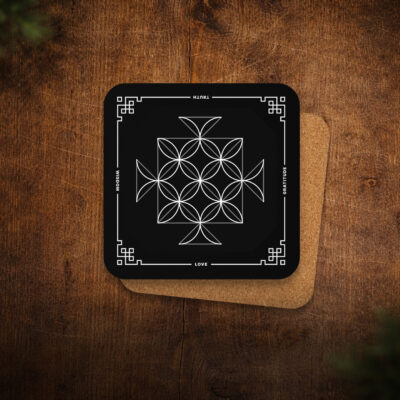
Sacred geometry, fractals, and biomimicry-inspired designs replicate the harmony found in nature. From spirals to leaf vein patterns, these intricate structures evoke a sense of balance and coherence, positively impacting mental well-being.
Creating Multi-Sensory Experiences
Engaging all senses through nature-driven experiences enhances emotional and physiological responses. The sound of trickling water, the texture of organic fabrics, the scent of fresh botanicals, and the sight of lush greenery collectively create a restorative environment.
Encouraging Outdoor Interaction
Expanding beyond interiors, biophilic living promotes time spent outdoors, whether through community gardens, rooftop terraces, or urban forests. Walking barefoot on the earth (grounding), practicing outdoor meditation, and embracing nature-based activities enhance physical and emotional resilience.
The Benefits of Biophilic Living
Embracing biophilic living brings transformative benefits that extend across multiple dimensions of life:
Enhanced Mental and Physical Well-being
Numerous studies confirm that exposure to nature reduces stress, lowers blood pressure, and enhances cognitive function. Green spaces and natural environments significantly reduce anxiety, depression, and mental fatigue.
Increased Productivity and Creativity
Natural surroundings inspire creative thinking, problem-solving, and innovation. Workspaces incorporating biophilic design see improved focus, job satisfaction, and overall efficiency.
Sustainable and Energy-Efficient Living
Biophilic design minimises energy consumption by optimising natural ventilation and lighting. Sustainable architecture, passive cooling techniques, and green roofs contribute to eco-friendly living.
Strengthened Connection to the Earth
Living in alignment with nature fosters an appreciation for ecological cycles and sustainability. It cultivates mindfulness, gratitude, and a deeper respect for the environment.
Healthier Indoor Environments
Indoor air pollution is a rising concern, but biophilic elements, such as air-purifying plants and natural ventilation, enhance air quality, reducing toxins and allergens.
Implementing Biophilic Living in Everyday Life
Biophilic living is accessible to everyone, whether in urban apartments, suburban homes, or corporate offices. Here’s how to get started:
Bring Nature Indoors
- Incorporate indoor plants such as peace lilies, snake plants, and ferns.
- Use wooden or stone accents in furniture and decor.
- Choose natural fabrics like cotton, wool, and linen.
Optimise Light and Space
- Arrange furniture to maximise natural light.
- Use sheer curtains or open spaces to allow sunlight in.
- Create reading nooks or relaxation areas near windows.
Introduce Water Elements
- Install a small indoor fountain or tabletop water feature.
- Consider an aquarium or natural pond in outdoor spaces.
- Use soundscapes of running water for relaxation.
Engage with the Outdoors
- Spend time in nature daily, gardening, hiking, or simply sitting under a tree.
- Create an outdoor meditation or yoga space.
- Eat meals in open-air settings whenever possible.
Incorporate Nature-Inspired Art & Design
- Use artwork that features sacred geometry, fractal patterns, or landscapes.
- Choose colours inspired by nature, such as earthy tones and ocean blues.
- Introduce curved and organic shapes into furniture and architecture.
The Future of Biophilic Living
As urbanisation accelerates, the need for biophilic design and living becomes even more pressing. Architects, designers, and environmentalists are championing sustainable cities that integrate green infrastructure, vertical forests, and biodiverse landscapes. The fusion of technology and nature, such as AI-driven smart gardens and bio-responsive architecture, will redefine how we interact with our environments.
Embracing a Nature-Infused Lifestyle
Biophilic living is more than a trend; it is a return to our origins, a reconnection with the rhythms of nature that sustain us. By consciously integrating natural elements into our homes, workplaces, and lifestyles, we nurture our well-being and the health of our planet.
When we design with nature in mind, we create beautiful spaces that nourish the soul, body, and mind.
Whether through a simple potted plant, a morning walk in a nearby park, or an entire home designed with organic geometry, every step towards biophilic living is a step toward harmony, balance, and conscious existence.
Join the Inner Circle
Enjoyed this article? Join the Inner Circle for more reflections, quiet revelations and early access to new releases.
No spam. Just meaningful updates from Prakasa. By subscribing, you agree to receive occasional emails. You can unsubscribe anytime. Legal Policy.