




The Essence of Shinrin-Yoku
In a world that moves at an unrelenting pace, where digital screens dictate the rhythm of our days, there lies an ancient remedy, soft yet profound: Shinrin-Yoku, or forest bathing. Originating in Japan in the 1980s as a formalised practice, the term translates to “bathing in the forest atmosphere”, an invitation to immerse oneself in nature’s quiet symphony, engaging all senses in deep, mindful presence.
Rooted in both ancient wisdom and modern science, Shinrin-Yoku is more than a leisurely walk in the woods. It is a meditative communion with the natural world, a practice that fosters profound physiological and psychological transformation.
The Science of Forest Bathing
Modern research has illuminated what indigenous traditions and nature-centric philosophies have long known: the forest heals. Scientific studies have confirmed that time spent in a forest environment has tangible benefits for the human body and mind:
1. Boosts Immunity and Reduces Stress
The trees themselves contribute to our wellbeing. Phytoncides, antimicrobial compounds emitted by trees, bolster the immune system by increasing the activity of natural killer (NK) cells, which combat viruses and tumours. Simultaneously, exposure to nature lowers cortisol, the stress hormone, significantly reducing tension and anxiety.
2. Enhances Mental Clarity and Emotional Balance
Shinrin-Yoku has been shown to improve focus and cognitive function. The presence of fractal patterns in nature, seen in tree branches, leaves, and rivers, aligns with human neural structures, inducing a state of calm and enhancing problem-solving abilities.
3. Harmonises the Nervous System
A slow walk through the forest activates the parasympathetic nervous system, responsible for the body’s “rest and digest” state. Heart rate variability increases, blood pressure stabilises, and the mind enters a state of gentle equanimity.
4. Elevates Mood and Alleviates Depression
Studies suggest that spending time in nature increases serotonin and dopamine levels, neurotransmitters responsible for joy and motivation. Forest environments are linked to reduced symptoms of depression, anxiety, and even post-traumatic stress disorder (PTSD).
Nature as a Portal to Awareness
Beyond its physiological benefits, Shinrin-Yoku is a deeply spiritual practice. Forests have long been sacred spaces in cultures across the world, places of pilgrimage, meditation, and transformation. Walking amidst trees, one experiences a shift from linear time to deep time, where the pulse of existence slows and expands.
The sacred geometry of nature, vortex spirals in ferns, hexagonal honeycombs, and the sacred symmetry of trees, mirrors the universal patterns of creation. To immerse oneself in these natural structures is to realign with the fundamental harmonies of existence.
The silence between the rustling leaves is not empty but pregnant with presence. Each footstep on the forest floor becomes a mantra, each inhale a prayer, and each gaze an awakening to the interconnectedness of all life.
How to Practise Shinrin-Yoku
Engaging in Shinrin-Yoku does not require hiking gear or elaborate planning. It is a practice of simplicity, patience, and deep listening. Here’s how you can begin:
1. Find a Forest or Green Space
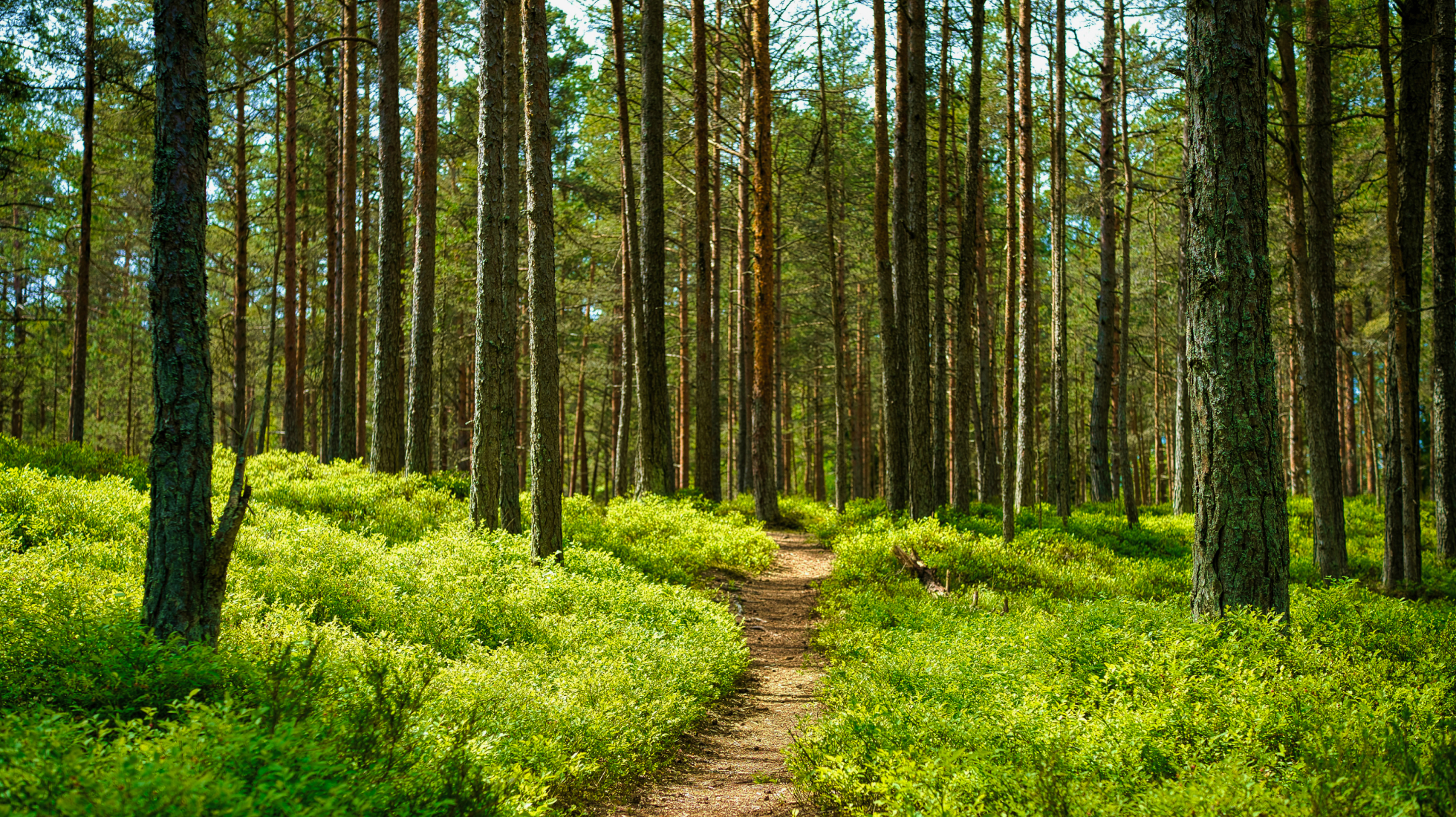
Choose a quiet location with minimal human interference. Ancient woodlands, mountain trails, or even a botanical garden can serve as sanctuaries.
2. Walk Slowly, Engage the Senses
Instead of moving with a destination in mind, walk slowly. Let your senses guide you:
- Sight: Observe the myriad shades of green, the play of light filtering through leaves.
- Sound: Listen to birdsong, rustling foliage, the distant murmuring of a stream.
- Touch: Run your fingers over the bark of a tree, dip your hand into a cool brook.
- Smell: Breathe in the scent of damp earth, pine needles, and blooming flora.
- Taste: If safe, let a forest-sourced edible linger on your tongue—perhaps a berry, a wild herb.
3. Breathe Deeply, Be Present
Forest air is charged with negative ions, which elevate mood and increase oxygen absorption. Take slow, conscious breaths, allowing the vitality of the forest to infuse your being.
4. Sit in Stillness, Absorb the Atmosphere
Find a tree or a moss-covered stone and sit. Let go of thoughts, allowing yourself to merge with the rhythms of the earth. This is not about doing but being.
5. Express Gratitude
Before leaving, offer silent gratitude to the forest. Whether through words, a touch upon a tree, or simply a quiet nod of reverence, acknowledge the energy that has nourished you.
Integrating Shinrin-Yoku into Daily Life
While immersing oneself in a forest is ideal, urban dwellers can cultivate elements of Shinrin-Yoku in everyday life:
- Bring nature indoors: Houseplants, natural wood elements, and essential oils can infuse your space with nature’s presence.
- Practice mindful walking: Even a stroll through a city park can be transformative when done with awareness.
- Digital detox in nature: Disconnect from technology periodically to realign with the organic flow of life.
- Visual meditation: Spend time gazing at fractal patterns in leaves, flowers, or natural mandalas.
The Future of Wellbeing Lies in Nature
As humanity advances in technology and urbanisation, the need for nature’s embrace grows ever more essential. Shinrin-Yoku is not a trend but a returning, a remembrance of our intrinsic bond with the Earth.
In an era of artificiality, the forest remains an oasis of authenticity. To step beneath its canopy is to step into a realm where time softens, breath deepens, and the soul rediscovers its belonging.
So, let us return to the woods. Let us listen to the whispers of the trees, inhale the fragrance of moss and rain, and allow the forest to bathe us in its quiet, sacred wisdom.
Join the Inner Circle
Enjoyed this article? Join the Inner Circle for more reflections, quiet revelations and early access to new releases.
No spam. Just meaningful updates from Prakasa. By subscribing, you agree to receive occasional emails. You can unsubscribe anytime. Legal Policy.