


The Wisdom of Nature
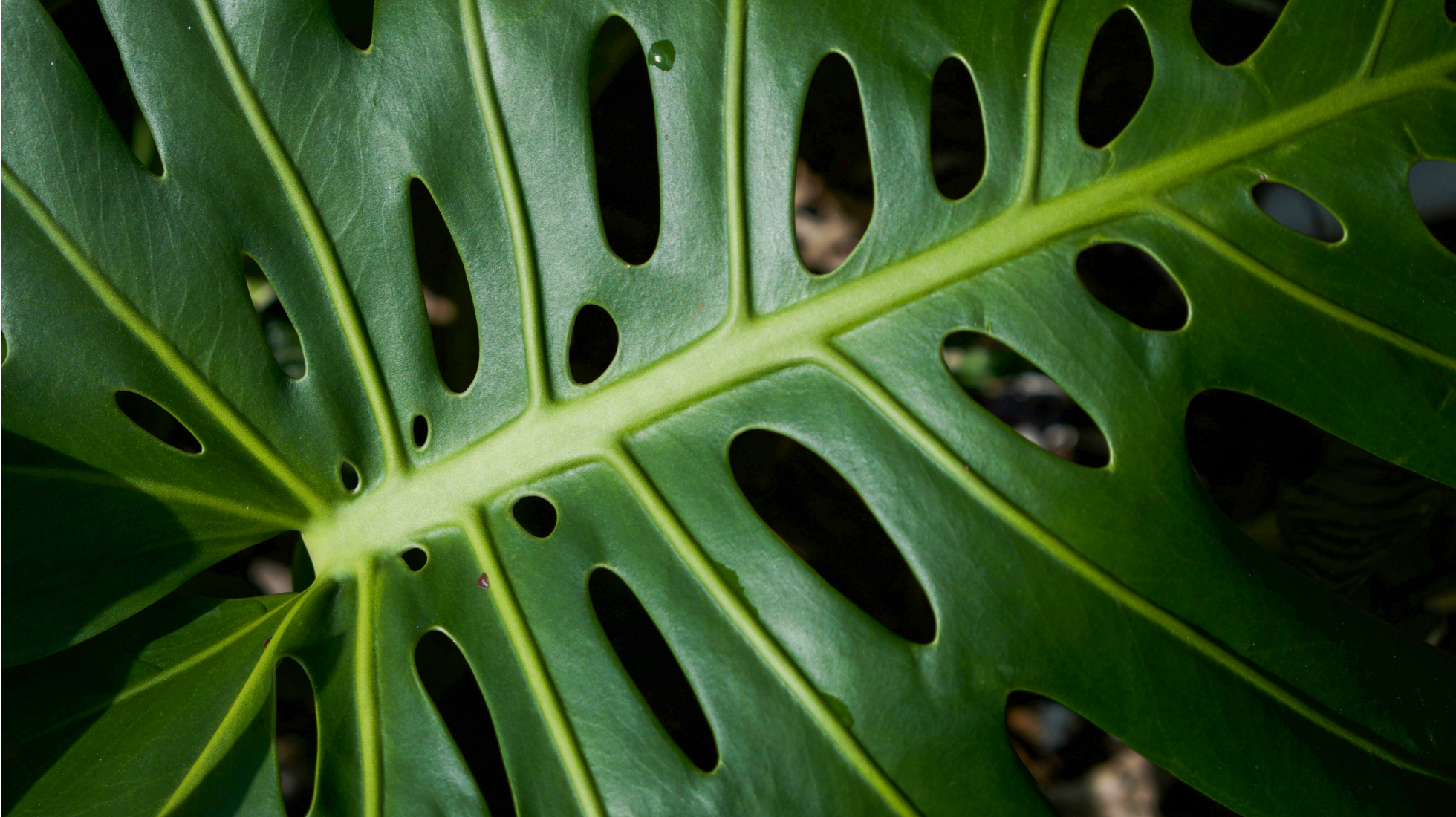
In a world where technological advancement and environmental sustainability often seem at odds, biomimicry emerges as a bridge between innovation and ecological harmony. Derived from the Greek words bios (life) and mimesis (to imitate), biomimicry is the practice of studying nature’s time-tested patterns, structures, and processes to inspire sustainable design, engineering, and architecture. It is more than just a trend, It represents a profound shift towards working with, rather than against, the natural world.
Nature has spent over 3.8 billion years refining its designs, evolving systems that are efficient, adaptive and deeply sustainable. From the way a lotus leaf repels water to the aerodynamics of a bird’s wings, countless biological mechanisms hold the keys to solving some of humanity’s most pressing challenges. As we move into a future that demands both efficiency and sustainability, biomimicry offers a paradigm of innovation rooted in the intelligence of the natural world.
The Principles of Biomimicry
At its core, biomimicry is based on three fundamental principles:
- Nature as a Model: Looking to nature for solutions to design challenges, mimicking natural strategies to solve human problems.
- Nature as a Measure: Evaluating solutions against nature’s principles of sustainability and resilience.
- Nature as a Mentor: Learning from nature as a teacher rather than treating it as a resource to exploit.
These principles guide scientists, engineers, architects, and designers in creating sustainable, efficient, and regenerative solutions across industries.
Real-World Applications of Biomimicry
These principles are already influencing real-world innovation across many industries.
Architecture & Design: The Termite-Inspired Eastgate Centre
In the harsh climate of Zimbabwe, termites construct towering mounds with intricate ventilation systems that regulate internal temperatures despite external fluctuations. Inspired by this, architect Mick Pearce designed the Eastgate Centre, a commercial building in Harare, which requires minimal air conditioning due to its natural cooling system. The structure mimics the termite mound’s passive ventilation principles, reducing energy consumption by up to 90% compared to conventional buildings.
Transportation: Kingfisher-Inspired Bullet Trains
Japan’s high-speed Shinkansen Bullet Train originally faced a significant problem: a loud noise produced when exiting tunnels due to air pressure changes. Engineers turned to the kingfisher, a bird known for diving seamlessly into water with minimal splash. By redesigning the train’s nose to mimic the bird’s beak, they not only reduced noise but also increased speed and improved energy efficiency by 15%.
Textiles & Materials: The Lotus Effect
The lotus leaf has a self-cleaning property due to microscopic structures that repel water and dirt. This principle inspired the development of hydrophobic coatings used in textiles, glass, and paints, creating materials that stay clean and dry without excessive maintenance or harmful chemical treatments.
Energy & Efficiency: The Whale-Inspired Wind Turbines
The humpback whale possesses unique, bumpy-edged fins (tubercles) that enable it to move with remarkable agility in water. Researchers applied this design to wind turbine blades, resulting in turbines that are 20% more efficient, produce 30% more power, and operate at lower wind speeds compared to conventional designs.
Robotics & Artificial Intelligence: Gecko-Inspired Adhesives
Geckos possess feet covered in millions of microscopic hair-like structures, allowing them to stick to surfaces effortlessly. Inspired by this, scientists developed gecko-inspired adhesives that require no glue, making them reusable, residue-free, and highly efficient for applications in robotics, space exploration, and medical devices.
The Role of Biomimicry in Sustainable Fashion
In the realm of conscious apparel and design, biomimicry is revolutionising materials and production processes. Companies are developing biodegradable fabrics inspired by spider silk, self-cooling textiles that mimic desert beetles, and colour-changing clothing based on chameleon skin. These innovations reduce waste, pollution, and reliance on synthetic chemicals, aligning fashion with ecological harmony.
The Next Frontier of Biomimicry
Biomimicry is not just about copying nature. It is about deeply understanding the underlying biological intelligence that sustains life. Future advancements may see biomimetic self-healing materials, energy-harvesting buildings, and synthetic biology solutions that emulate entire ecosystems.
As humanity seeks solutions for climate change, resource depletion, and sustainable living, biomimicry stands as a testament to nature’s wisdom. By embracing nature as a mentor, we are not just designing better products. We are evolving towards a more regenerative and harmonious way of life. The deeper we study nature, the more we realise that innovation often means remembering what life already knows.
Learning from Life Itself
Biomimicry is more than science. It is a philosophy that invites us to observe, respect, and learn from the intricate intelligence of the natural world. By aligning human innovation with nature’s timeless principles, we open the possibility for a future where technology, design, and sustainability coexist in greater harmony.
When we observe nature closely, we begin to see that its designs are not random but patterned, reflecting the same geometric harmony that appears throughout the cosmos. This deeper relationship between geometry and life is explored further in The Geometry of Being and How Life Reflects Art.
From architecture to fashion, energy to robotics, biomimicry is reshaping industries and redefining our relationship with the planet. As we step into this new frontier, the question remains: What else can we learn from nature’s 3.8 billion years of research and development?
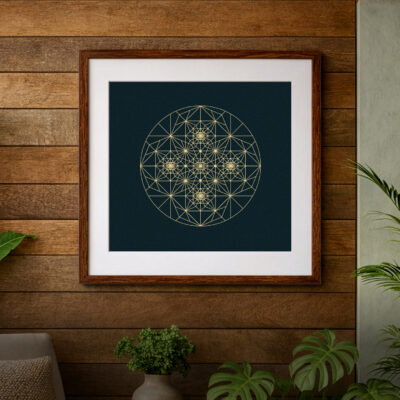
At Prakasa, many of our designs draw inspiration from the same patterns found throughout the natural world. Explore the Harmonic Wall Art collection and bring these timeless expressions of nature’s intelligence into your own space.
Join the Inner Circle
Enjoyed this article? Join the Inner Circle for more reflections, quiet revelations and early access to new releases.
No spam. Just meaningful updates from Prakasa. By subscribing, you agree to receive occasional emails. You can unsubscribe anytime. Legal Policy.