


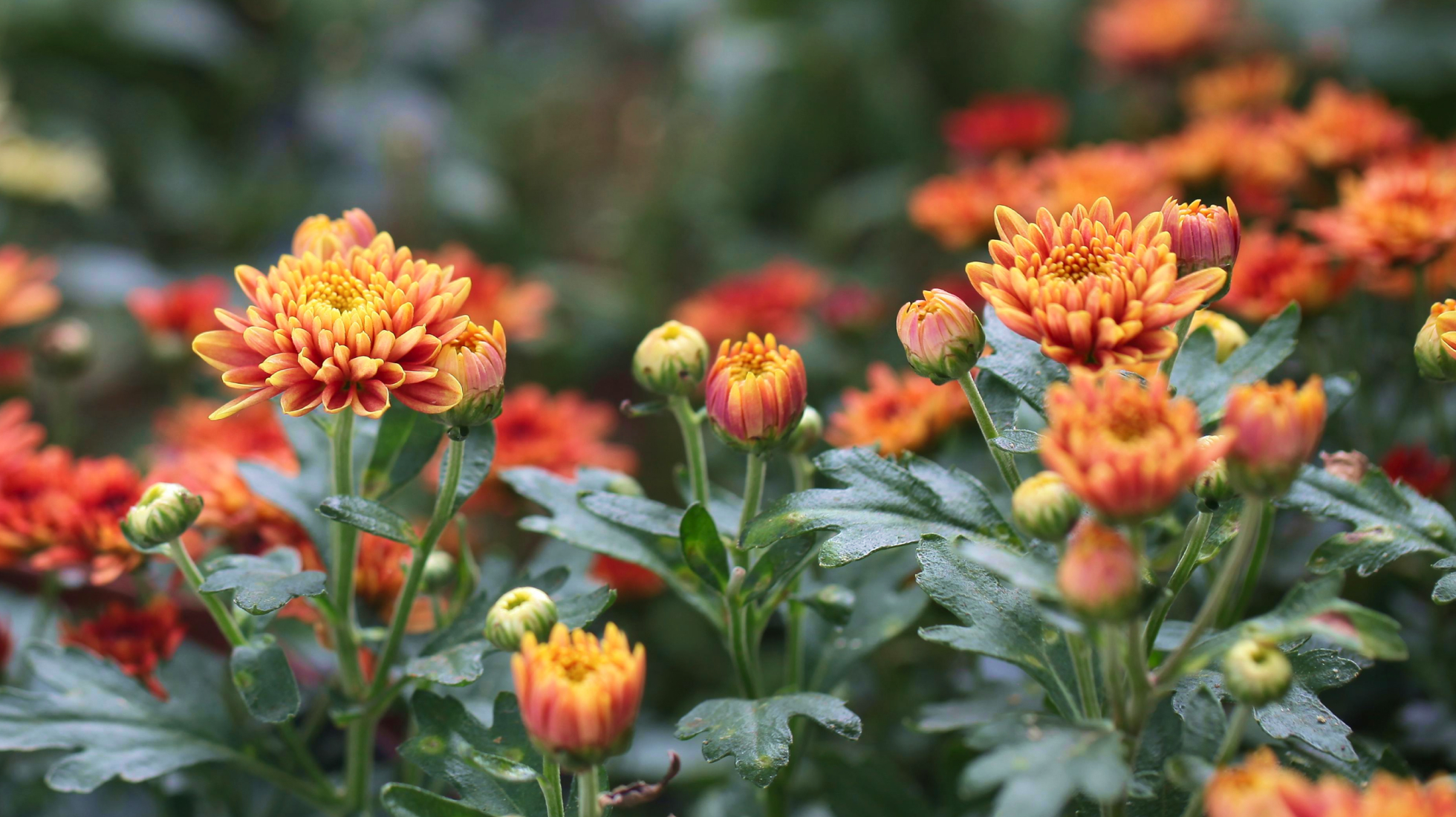
In a world of accelerated timelines and digital pace, there exists a quiet ritual that continues to whisper ancient truths: gardening. The simple act of sowing a seed, nurturing its growth, and harvesting its fruits transcends utility. It becomes a mirror, a metaphor, and a spiritual discipline.
Farming and gardening extend beyond cultivating food or flowers. They are sacred acts of co-creation with nature. They offer profound life lessons rooted in rhythm, patience, and the geometry of becoming. Just as a seed does not bloom overnight, neither do we. Life, like soil, must be tended with patience and trust.
Seeds and Potential
Every garden begins with a seed. Small, unassuming, yet encoded with infinite potential. This seed is the perfect emblem of life itself. Much like our dreams, gifts, or intentions, it carries within it a blueprint of what it could become, given the right conditions.
“The seed doesn’t strive to become the tree. It simply unfolds in harmony with its nature.”
This echoes the principle of bio-resonance: the idea that everything unfolds according to its inherent vibrational signature. Just as sacred geometry reveals the hidden order in petals and pinecones, so too do our lives bloom along unseen spirals of purpose.
The seed’s growth teaches us to trust in timing, in process, and in our own encoded becoming.
Soil and Inner Grounding
Soil is a living, breathing ecosystem. It must be nourished, aerated, and balanced.
Similarly, our inner soil, our mindset, energy field, and emotional landscape, must be tended with equal care. Toxic thoughts, much like chemical fertilisers, may yield short-term results but erode the long-term vitality of the spirit.
What are you feeding your inner soil with? Are you creating conditions for growth, or for depletion?
Seasons and Surrender
Gardening teaches us to embrace impermanence. There is a time to sow, a time to water, a time to harvest, and a time to let go. Attempting to force growth out of season brings nothing but struggle.
“Nature never rushes, yet everything is accomplished.”
In this way, the seasonal rhythms of the earth mirror the cycles of our own lives: birth, growth, fruition, decay, and renewal. Just as a farmer does not grieve winter, we too must learn to honour our phases of rest, retreat, or endings. They are not failures, but fertile voids where new life incubates.
The geometry of life is cyclical, fractal, and sacred. Growth spirals back upon itself, always evolving, always expanding.
Weeds and Discernment
Weeds often arrive uninvited, but they tell a story. Some signal imbalance. Others point to soil deficiency.
In life, too, the weeds, distractions, limiting beliefs, or unhealthy habits, reveal where our inner ecology needs attention.
To garden well is to recognise weeds, understand their origin, and remove them mindfully. Discernment is a gardener’s virtue: knowing what nourishes and what depletes. In this, we are called to prune with love and discernment. Seeking vitality over perfection.
Water and Flow
No garden survives without water, the fluid element that nourishes and sustains. But too much water, or too little, can be destructive.
This delicate balance reflects the principle of energetic flow: how we allow emotion, intuition, and nourishment to move through us.
Stagnation leads to decay. Over-saturation leads to overwhelm.
“Water your dreams, not your doubts.”
In both farming and life, flow is sacred. It invites us to listen, to attune, and to respond rather than react. Water teaches surrender. It finds its way, gently yet persistently.
Patience and Faith
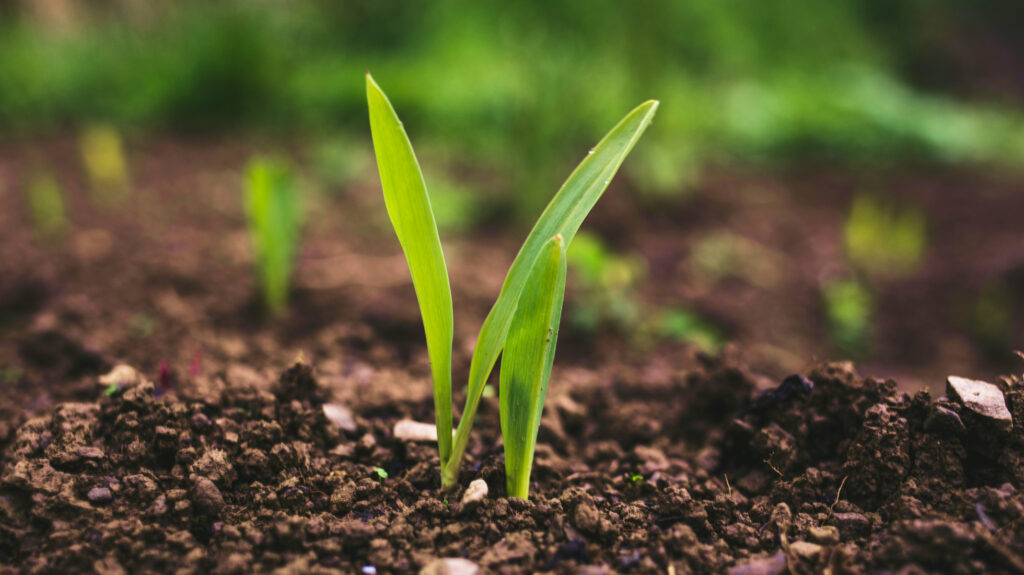
Perhaps the most transformative lesson of gardening is the invisible stage. When nothing seems to be happening, yet everything is.
Days, sometimes weeks, pass before the first sprout appears. But beneath the soil, life is teeming. Roots are forming. The structure is being laid.
This mirrors our own inner metamorphoses: the periods of stillness, solitude, or uncertainty. Just because we cannot see the change does not mean it is not taking place.
Farming teaches us the spiritual science of delayed fruition. We are reminded to act with devotion, then let go. To trust the deeper intelligence, the divine geometry, unfolding beneath the surface.
Harvest and Gratitude
When the time comes to harvest, it is a sacred moment. Not only of reaping reward, but of remembering the journey. Each fruit, flower, or grain carries the memory of sun, soil, storm, and stillness.
In life, too, we are called to harvest mindfully. To celebrate achievements as co-creations with a living universe.
Gratitude becomes the final act of the cycle, completing the spiral and preparing us to begin again.
“The earth gives, and we receive, with open hands and a humble heart.”
Composting and Alchemy
The leftovers, the fallen leaves, the waste. Nothing is lost in the garden. Everything is transformed.
Composting is nature’s way of transmuting what once was into fertile matter for what is yet to come.
This is the law of energetic alchemy. No experience, no emotion, no phase is ever wasted. What we release becomes the soil of our future growth. Sorrow becomes wisdom. Failure becomes foundation.
True sustainability, both ecological and emotional, lies in our willingness to compost the past into nourishment.
Living the Garden
IIn every decision, every breath, every intention, we are tending a garden. Some seeds are planted consciously, others through habit or circumstance. What we cultivate grows.
To live well is to garden with awareness. To plant intentions with clarity, to water our lives with presence, to remove what no longer nourishes the field of our becoming. It is to receive the harvest with humility and to compost the past with courage, trusting that even what has ended will become soil for what is yet to grow.
In this way, life itself becomes a garden.
Cultivating a Conscious Life
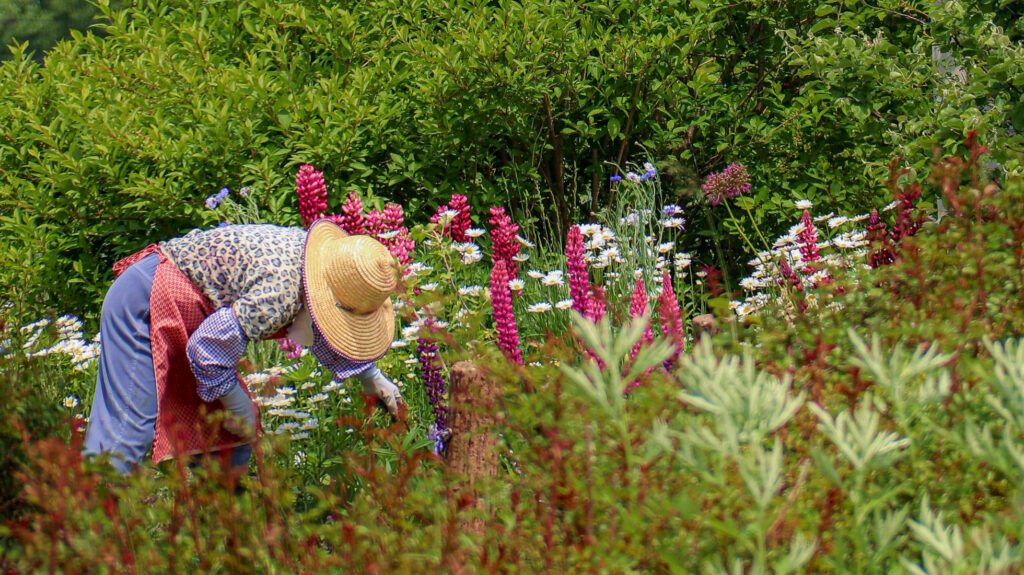
To be a gardener is to be an artist, a mystic, and a scientist all at once. It is to enter into quiet dialogue with the earth, responding rather than controlling, collaborating rather than conquering.
Gardening invites patience, deep observation, and devotion to cycles greater than ourselves. It teaches precision without rigidity, presence without urgency, and care without attachment.
Above all, it reminds us that we do not stand apart from nature. We are not visitors in this world but participants in its unfolding. The same soil that nurtures the seed also nurtures the soul.
To tend the earth is to tend the self. In nurturing life, we are nurtured in return.
Join the Inner Circle
Enjoyed this article? Join the Inner Circle for more reflections, quiet revelations and early access to new releases.
No spam. Just meaningful updates from Prakasa. By subscribing, you agree to receive occasional emails. You can unsubscribe anytime. Legal Policy.