


The Hidden Geometry of Sound
Imagine if you could see sound. Not just as vibrating air, but as intricate, symmetrical patterns forming in sand, water, and other mediums. This is the essence of Cymatics, a field that reveals how sound frequencies shape the physical world. From ancient mysticism to cutting-edge technology, cymatics offers a bridge between science, art, and consciousness, showing us that the universe is far more interconnected than we might have imagined.
The Origins of Cymatics
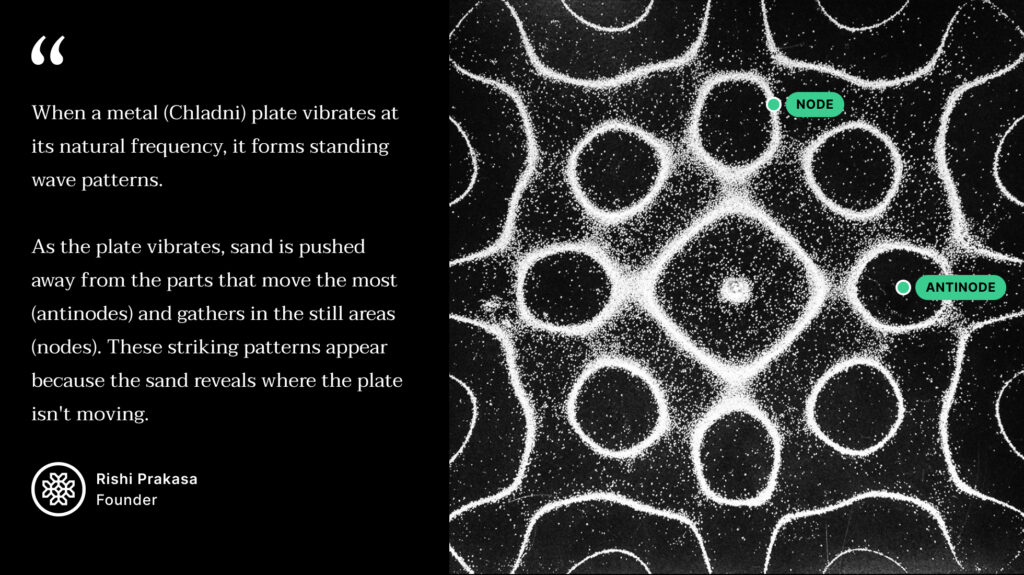
The term “Cymatics” was coined by Swiss scientist Hans Jenny in the 1960s, but its roots trace back much further. Jenny’s research built upon the work of Ernst Chladni, an 18th-century German physicist who demonstrated how fine powders arrange themselves into geometric patterns when vibrated on metal plates. These Chladni figures revealed that sound waves naturally produce structured, harmonious designs.
Ancient cultures also seemed to understand the power of sound and vibration. The Egyptians, for example, depicted resonance in their hieroglyphs, while Tibetan monks used overtone chanting to create vibrational harmony. Indian and Vedic traditions also emphasised the significance of mantras, recognising that sound carries profound energetic properties.
How Cymatics Works
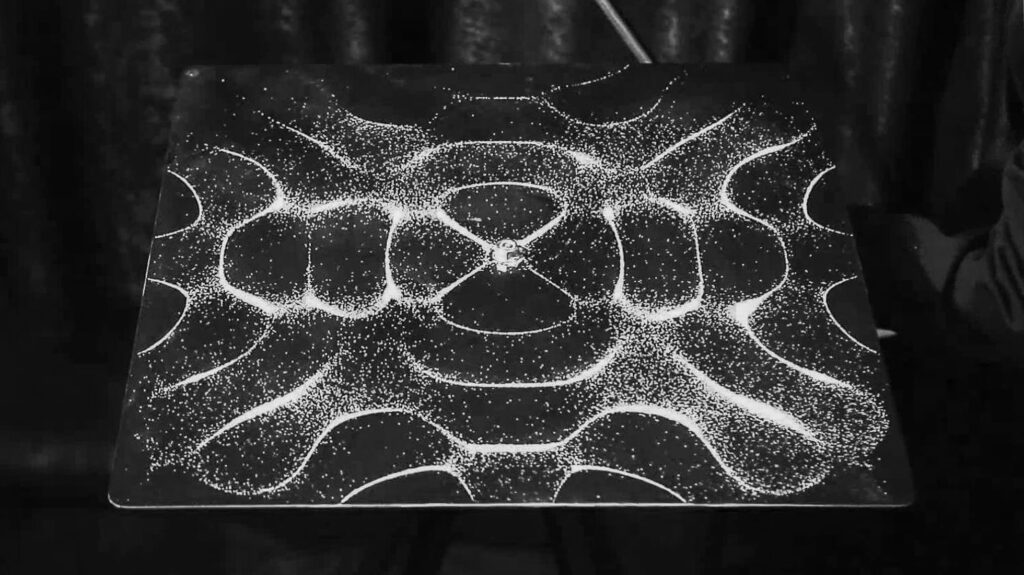
At its core, cymatics explores how sound vibrations influence matter. By placing substances like sand, water, or oil on a vibrating surface, patterns emerge that correspond to different frequencies. These visuals are not random, they follow mathematical principles seen in sacred geometry and fractals.
The process involves:
- A vibrating plate or membrane, such as a Chladni plate.
- Fine powders, liquids, or other mediums placed on the surface.
- Sound frequencies applied through a speaker or resonating device.
Higher frequencies tend to produce more complex patterns, whereas lower frequencies create simpler, larger formations. This mirrors nature’s own design, consider the spiral of a nautilus shell, the branching of lightning, or the formation of galaxies.
Cymatics and Sacred Geometry
Cymatics reveals the deep relationship between sound and geometry. When frequencies vibrate through matter, they create symmetrical forms that resemble well-known sacred geometric symbols, such as:
- The Torus: A self-sustaining, dynamic form often associated with energy fields and universal flow.
- Octagonal, hexagonal and pentagonal formations: Found in snowflakes, beehives, and crystal lattices.
- The Lotus and Flower of Life: A universal pattern seen in ancient temples and manuscripts.
- The Sri Yantra: A sacred design in Vedic traditions, composed of interlocking triangles.
These patterns suggest that sound may be the organising principle of the physical world, an idea resonating with modern physics and quantum mechanics.
The Science of Sound and Vibration
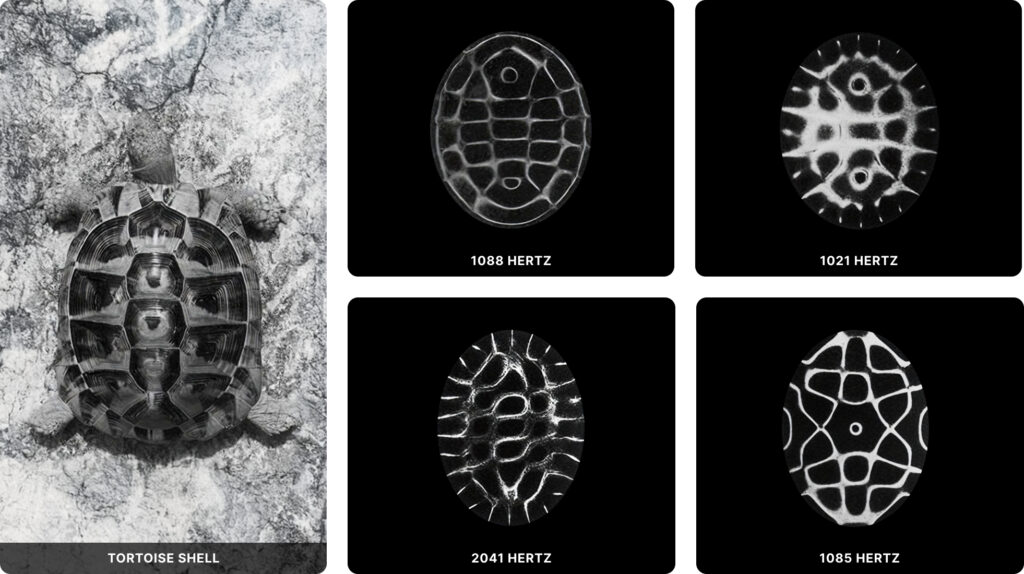
Modern research supports the idea that sound has the power to structure and influence reality at a fundamental level. Some key scientific insights include:
1. Sound Affects Matter
Cymatics experiments demonstrate how sound waves shape material substances. The Schumann Resonance, for instance, describes how Earth’s natural electromagnetic frequencies interact with life on the planet, influencing biological rhythms and even consciousness (read more about the power of frequencies).
2. Water Memory and Sound
Japanese scientist Masaru Emoto conducted studies showing that water molecules form distinct crystalline structures based on the sounds or words they are exposed to. Positive words like “love” and “gratitude” created beautiful, symmetrical ice crystals, while negative words led to chaotic, distorted formations (read more about water memory here).
3. Quantum and Vibrational Fields
Quantum physics suggests that all matter exists in a state of vibration. Some physicists propose that the universe itself is structured through vibrational energy, an idea echoed in string theory, which posits that everything is made of tiny, vibrating strings of energy.
Cymatics in Motion
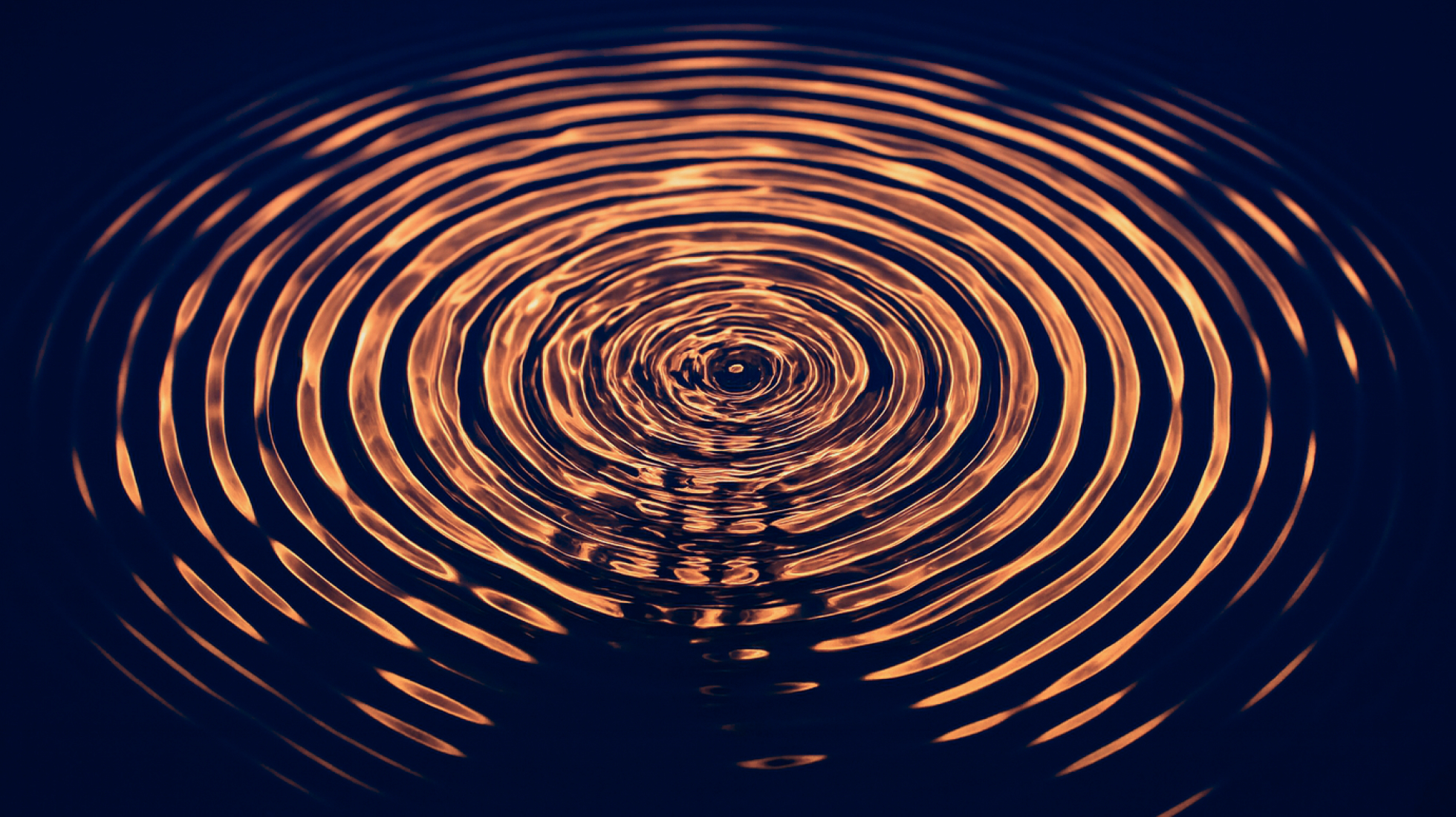
To truly appreciate cymatics, it helps to witness the phenomenon directly. The following experiment demonstrates how sound frequencies shape matter in real time. As vibrations pass through a liquid medium, geometric patterns emerge and transform with each change in frequency and waveform. What may initially appear chaotic gradually reveals an underlying order, a visual language of resonance where sound becomes form. Observing these patterns unfold offers a striking glimpse into how vibration can organise matter throughout nature.
A cymatic study of waveforms in different solutions at increasing frequencies.
Created by John Capogna
Cymatics in Modern Technology and Healing
Cymatics has practical applications in various fields, including medicine, architecture, music, and consciousness studies.
1. Sound Healing and Vibrational Therapy
Since ancient times, sound has been used for healing and meditation. Today, cymatics-inspired therapies include:
- Binaural beats and sound frequencies that alter brainwave states, promoting relaxation and cognitive function.
- Tibetan singing bowls and gongs, which generate healing vibrations.
- Ultrasound technology, used in medical imaging and treatments.
2. Architecture and Resonance
The relationship between sound, vibration, and built environments is not a modern discovery. Ancient civilisations understood that geometry, proportion, and resonance influence the energetic quality of space.
Traditions such as Vastu Science, the ancient architectural science of India, describe how buildings should be designed in harmony with cosmic forces, directional energies, and geometric ratios. Temples, pyramids, and sacred monuments were often constructed according to precise harmonic principles so that the structure itself could resonate with natural frequencies.
These spaces were not merely shelters or monuments. They were designed as living instruments, capable of amplifying subtle vibrations generated through chanting, music, ritual, and human presence. Through proportion, orientation, and geometric order, architecture became a medium through which sound, space, and consciousness could interact.
Although much of this knowledge was lost or overlooked in modern architecture, interest in vibrational design is beginning to re-emerge. Today, researchers exploring cymatics, acoustics, and bioresonance are rediscovering principles long preserved within ancient traditions.
To explore how these architectural sciences shaped sacred sites around the world, read our article Ancient Temples and the Global Legacy of Vastu Shastra.
3. Music, Art, and Consciousness
Artists and musicians are increasingly using cymatics to create immersive experiences:
- Sound-driven visual art, where music is translated into real-time visuals.
- Resonant musical tuning, where instruments are tuned to harmonic frequencies like 432 Hz, which some believe to be more naturally aligned with human consciousness.
- Augmented reality and harmonic chambers integrating vibrational patterns into digital art and futuristic experiences.
Listening to the Language of the Universe
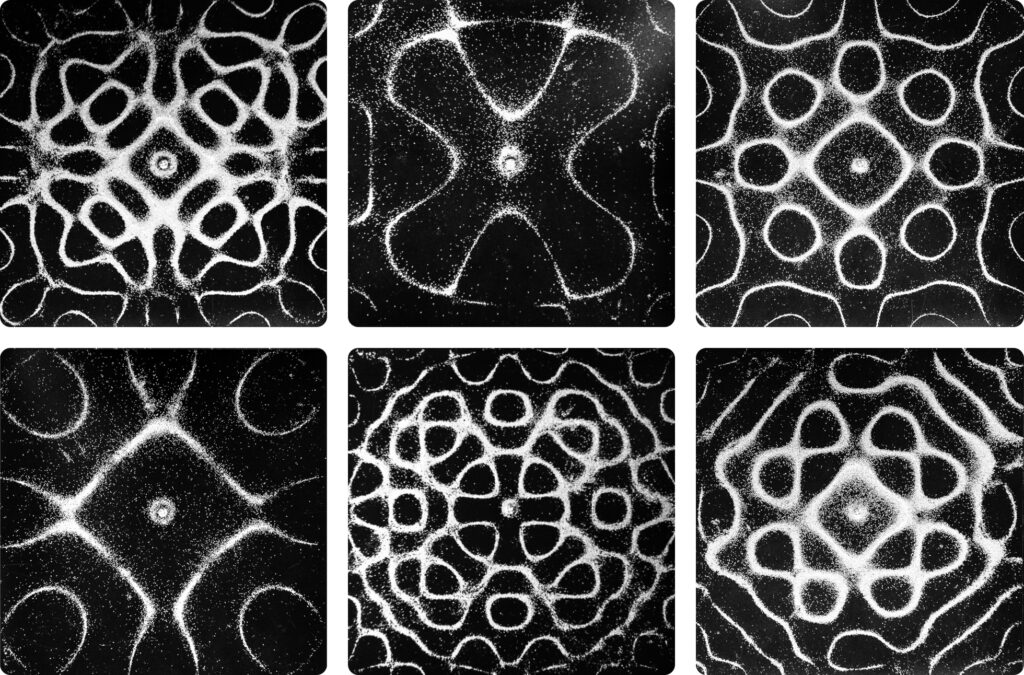
Cymatics reveals a profound insight into the nature of reality: vibration shapes form. What appears to be solid matter is, at its deepest level, an expression of resonance organised through frequency and pattern.
From the chants of ancient mystics to the experiments of modern sound laboratories, cymatics reminds us that the universe is fundamentally harmonic. The geometric patterns formed through vibration offer a glimpse into the hidden architecture of nature, where sound, structure, and consciousness interact in subtle and intricate ways.
As research into acoustics, resonance, and vibrational science continues to evolve, we may discover new ways to harmonise our environments, influence biological systems, and deepen our understanding of the relationship between energy and form. In this sense, cymatics is more than a scientific curiosity; it is an invitation to listen more closely to the living rhythms of the world around us.
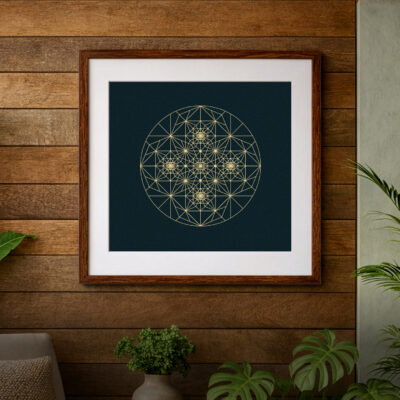
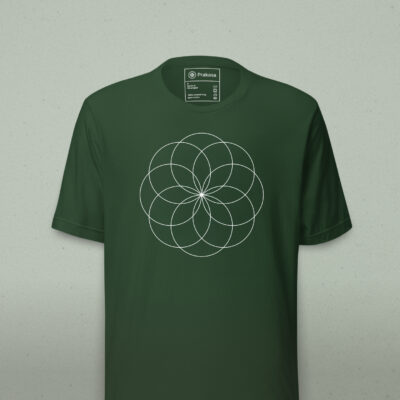
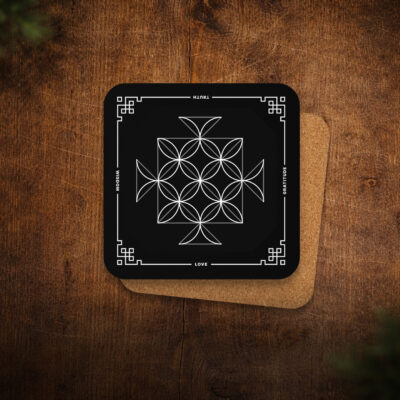
Prakasa’s Harmonic Wall Art collection draws inspiration from these same harmonic principles, translating sacred proportion and vibrational harmony into contemporary form. Each design reflects the idea that geometry is not merely decorative but expressive of the deeper patterns through which the universe organises itself.
Explore the Harmonic Wall Art collection and invite Vastu-inspired coherence into your space.
Join the Inner Circle
Enjoyed this article? Join the Inner Circle for more reflections, quiet revelations and early access to new releases.
No spam. Just meaningful updates from Prakasa. By subscribing, you agree to receive occasional emails. You can unsubscribe anytime. Legal Policy.